Source Professional Daily Nail Care Tools for Home, Salon, and Commercial Use
Explore 30 options for professional daily nail care tools, including electric files and disposable kits. Compare specifications like rotation speed, material, and packaging to find the right fit for home, salon, or commercial applications; compare the available evidence and request quotations based on your requirements.
Key considerations
Products List


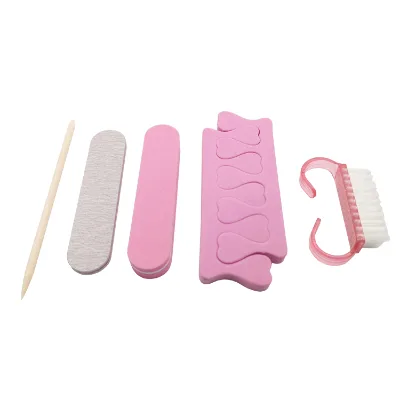


$0.40 - $0.42
Moq: 6000


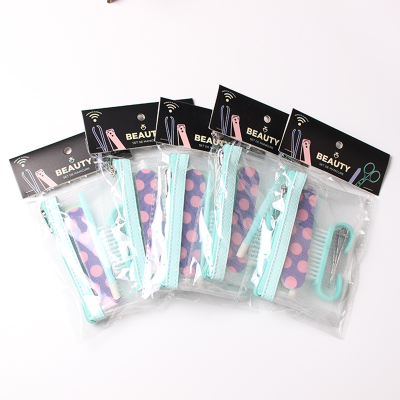
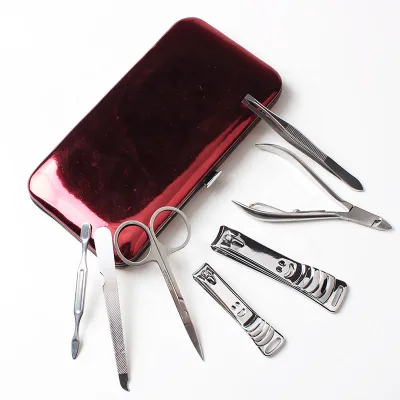


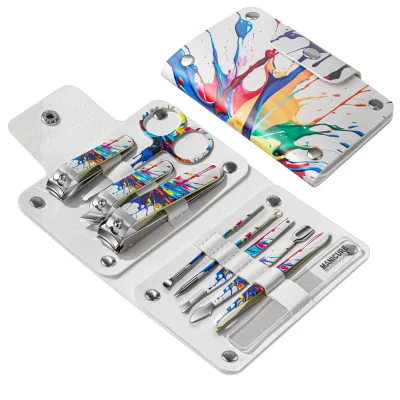


Comprehensive Sourcing Guide
Professional Daily Nail Care Tools Sourcing Guide
The market for professional daily nail care tools presents a diverse array of options ranging from manual implements to advanced electric devices. Buyers must distinguish between products designed for home use and those intended for commercial salon environments, as the durability and performance requirements differ significantly. Observed listings indicate a strong presence of electric nail care tools featuring high rotation speeds and dual-battery configurations, alongside traditional manual kits packaged in disposable or reusable boxes. Understanding this spectrum is essential for aligning procurement with specific business models, whether serving individual consumers or professional technicians.
Sourcing decisions should also account for the variability in product customization and packaging standards found in current listings. While some suppliers offer non-customized items in simple plastic or OPP bags, others provide fully customized solutions with color boxes and cartons for retail distribution. The availability of OEM and ODM services suggests that buyers can tailor product specifications, such as material composition and branding, to meet unique market demands. However, verifying the consistency of these customization options across different batches is critical to maintaining brand integrity and product reliability.
Product Scope and Observed Listing Signals
Buyers should carefully evaluate the specific functional attributes listed in product catalogs, as the scope of available tools varies from basic manual files to complex electric systems. Current data highlights products with specific use cases, such as tools designed for both finger and toe care, as well as specialized items for nail salon applications. The presence of electric characteristics, including rotation speeds up to 45,000 RPM and dual battery systems, indicates a segment of high-performance equipment that requires different sourcing criteria compared to standard manual kits.
The observed listing signals also reveal significant variation in physical specifications and packaging formats that impact logistics and retail presentation. Dimensions range from compact single-package sizes of 10x10x5 cm to larger units measuring over 21 cm in length, while materials include both stainless steel and carbon steel options. Packaging ranges from simple brown boxes and white boxes to elaborate color boxes with cartons, directly influencing the perceived value and shipping costs. Procurement strategies must therefore prioritize verifying these physical attributes to ensure they match the intended retail channel and customer expectations.
Technical Specifications to Verify
Technical verification must begin with the core material composition, as the longevity and safety of the tools depend heavily on whether they are constructed from stainless steel or carbon steel. Buyers should request detailed material certificates to confirm that the metal used meets industry standards for corrosion resistance and structural integrity, particularly for tools that come into direct contact with skin. The distinction between these materials is crucial, as stainless steel generally offers superior durability for professional settings, whereas carbon steel may be suitable for specific disposable or cost-sensitive applications.
In addition to material, the mechanical specifications of electric tools require rigorous validation to ensure operational safety and efficiency. Key parameters to verify include the actual rotation speed, battery capacity, and weight, as these factors directly affect user comfort and tool performance during extended use. Listings mention specific models with defined dimensions and battery configurations, but buyers must confirm that these specifications remain consistent across production runs. Ensuring that the battery capacity and motor speed match the advertised claims is essential to prevent product returns and maintain customer satisfaction.
Compliance and Safety Documentation
Compliance documentation is a non-negotiable aspect of sourcing professional nail care tools, particularly for electric devices that operate at high speeds. Buyers must insist on valid certification marks, such as CE, which indicate that the product meets specific safety and health requirements for the target market. While some background information suggests broader environmental or quality management standards, the primary focus should remain on obtaining verifiable safety certifications that are recognized by regulatory bodies in the destination country.
Beyond electrical safety, documentation regarding the product's intended use and age group must be clearly defined to mitigate liability risks. Products are often categorized for adult use or specific professional applications, and the packaging must accurately reflect these limitations to prevent misuse. Buyers should verify that the supplier provides clear labeling and user manuals that align with the stated purpose, such as personal nail care or salon use. Ensuring that all safety warnings and usage instructions are present and accurate is vital for protecting both the retailer and the end consumer.
Cost Drivers and Commercial Terms
Cost structures in this category are heavily influenced by the level of customization, packaging complexity, and the inclusion of advanced features like dual batteries. Products with custom branding, elaborate color box packaging, and high-performance electric motors typically command higher unit prices compared to basic manual kits in simple OPP bags. Buyers must analyze the trade-off between these added features and the potential retail price point to ensure a viable profit margin, as the observed price range spans from low-cost items to premium professional kits.
Commercial terms, including minimum order quantities and lead times, vary significantly among suppliers and must be negotiated based on the specific product mix. Listings indicate MOQs ranging from small batches of 200 sets to larger orders of 10,000 units, with delivery times potentially extending up to 30 days. Procurement planners should align their order volumes with these constraints to optimize cash flow and inventory levels, while also accounting for potential delays in production or shipping. Understanding these commercial variables is essential for building a resilient supply chain that can adapt to fluctuating market demands.
Supplier Qualification and Quality Control
Supplier qualification should extend beyond basic business registration to include a thorough assessment of their manufacturing capabilities and quality control processes. Buyers must verify the supplier's origin, such as Foshan or Zhejiang, and confirm their ability to handle both customized and non-customized orders with consistent quality. The presence of OEM and ODM services suggests flexibility, but it is crucial to ensure that the supplier has the infrastructure to maintain strict quality standards across different production runs and product variations.
Quality control measures must be explicitly defined in the procurement agreement to prevent defects and ensure product consistency. This includes establishing clear acceptance criteria for material quality, packaging integrity, and functional performance, particularly for electric tools with moving parts and batteries. Buyers should request pre-shipment inspections or third-party testing reports to validate that the products meet the agreed-upon specifications before they leave the factory. Implementing a robust quality control protocol is essential for minimizing returns and maintaining the reputation of the brand in a competitive market.
Long-Term Procurement Checks
Long-term procurement success relies on establishing a continuous feedback loop with suppliers to monitor product performance and market trends. Buyers should regularly review customer feedback and return rates to identify any recurring issues with specific models or materials, such as battery degradation or packaging damage. This data-driven approach allows for proactive adjustments to the product specification or supplier selection, ensuring that the catalog remains aligned with evolving consumer expectations and industry standards.
Sustainability and supply chain resilience should also be integrated into long-term planning, given the increasing demand for environmentally responsible products. Buyers should assess whether suppliers are adopting sustainable practices, such as using recyclable packaging materials or adhering to environmental management standards. Additionally, maintaining a diversified supplier base can mitigate risks associated with production delays or geopolitical disruptions. By focusing on these strategic areas, buyers can build a procurement strategy that supports growth and adaptability in the professional nail care tools market.
FAQs
What materials are commonly used for professional daily nail care tools?
Stainless steel and carbon steel are the most common materials listed for professional nail care tools, with stainless steel favored for durability and easy cleaning. Carbon steel offers strength at a lower cost but needs protection from moisture. Some electric models also include plastic housings, and small kits are typically packed in OPP bags, plastic boxes, or white boxes.
Can professional daily nail care tools be customized with my own branding?
Yes, customization is available, and OEM or ODM services are warmly welcomed by listed suppliers. Options typically include brand name printing, custom packaging such as color boxes or cartons, and specification adjustments to match your market. Confirm minimum order quantities, artwork requirements, and lead times with each supplier before placing a trial order.
What is the typical minimum order quantity for nail care tool sets?
Minimum order quantities vary widely by product type and supplier, with one listed nail kit showing an MOQ of 200 sets and the overall category ranging from 1 to 10,000 units. Hand tools usually carry lower MOQs than electric devices. Always confirm the exact MOQ, sample availability, and per-unit pricing directly with the supplier before committing.
How long does production and delivery usually take for nail care tools?
A common production lead time listed for these products is around 30 days after order confirmation, though it can vary with order size and customization level. Electric nail drill models may need additional time for battery assembly and quality checks. Factor in shipping time separately, and request a written production schedule before confirming your purchase order.
Which nail care products suit home use versus nail salon use?
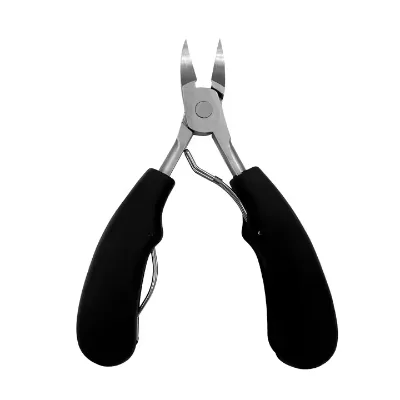
Home users generally choose compact hand tools such as flat head nail clippers in standard sizes like 3 inch or 123mm models, packed simply for personal use. Nail salons typically need electric devices, such as drills with 45,000 rotation speed and rechargeable 2000 mAh batteries, plus professional disposable kits. Match product grade, durability, and packaging to your intended usage scenario.
What packaging options are available for wholesale nail care tools?
Listed packaging options include OPP bags, plastic boxes, white boxes, brown boxes, and color box plus carton combinations for retail-ready products. Disposable nail kits are commonly supplied in opp bag packages. Your choice affects unit cost and shelf presentation, so confirm packing specifications, carton quantities, and any extra packaging charges with the supplier when requesting a quotation.
Are electric nail drills suitable for both finger and toenail care?
Yes, many tools in this category are designed for use on both finger and toe nails, including clippers, files, and electric grinding heads. Electric drills with high rotation speeds and dual rechargeable batteries handle thicker toenails effectively. Check attachment compatibility, weight for handheld comfort, and whether replacement grinding bits are available before ordering for salon or personal use.
Where are most professional daily nail care tools manufactured?
China is the primary listed origin for these products, with manufacturing concentrated in provinces such as Zhejiang and Foshan in Guangdong. These regions offer mature supply chains for both manual hand tools and electric nail devices. When comparing suppliers, review their location, production capacity, certification status such as CE, and communication responsiveness to reduce sourcing risk.